

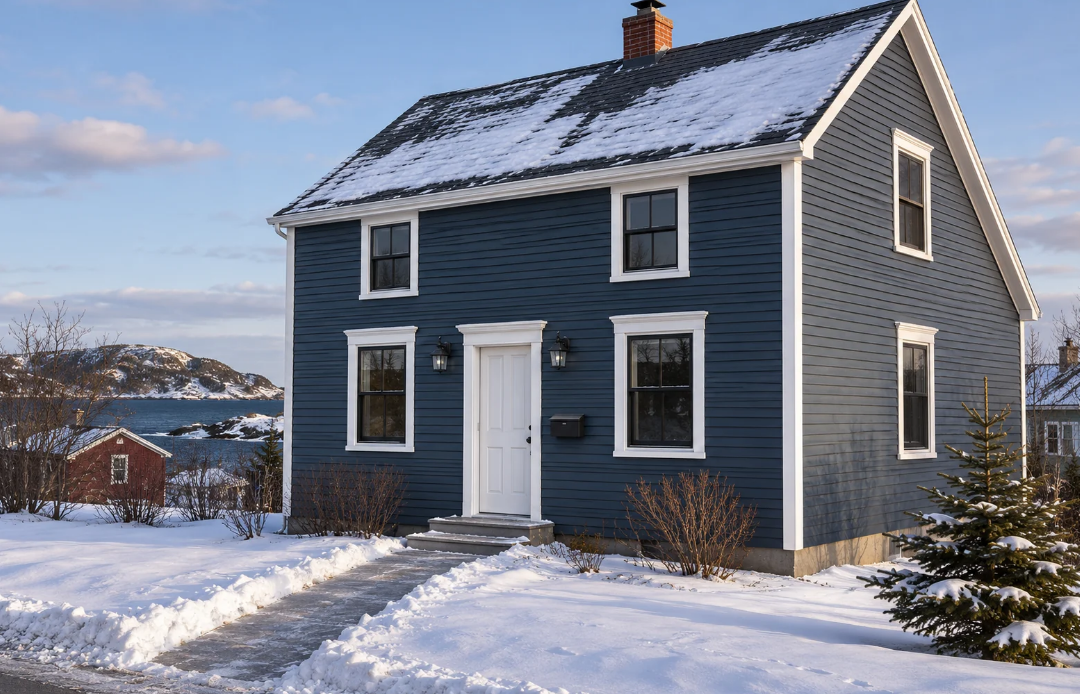
When a house is empty, it can take days for someone to notice a leak under the kitchen sink or realize the heat has stopped working. If you’re moving out before closing, heading south for the winter or looking after a relative’s home, arrange for someone to check inside. Before you set a schedule, ask the insurer how often those visits need to happen.
Call your insurer before the house empties
Tell your insurer or broker when the last person will leave, how long you expect the house to be empty and if anyone plans to move back in. An insurer can treat a snowbird’s home as temporarily unoccupied and a seller’s home as vacant once everyone has moved out for good. That distinction can affect your coverage, even if there’s still furniture in the house.
Ask for the answers in writing so you can share the instructions with whoever will be checking the house.
- How will you classify the property, and when does that take effect?
- Do I need a vacancy permit or a change to my policy? What coverage changes for water damage, theft or vandalism?
- How often does someone need to go inside? Who can do the checks, and should they keep a record?
- During heating season, what do I need to do about the heat and water supply? Do the pipes need to be drained?
- Who should contact you if closing is delayed, my trip is extended or I’m handling the property on behalf of a relative or an estate?
Visit schedules and winter precautions vary by policy. Use your insurer’s instructions to set up the checks.
Give the person with the key a short list
Walk through the house together before you leave. Show them the thermostat, the main water shut-off and any spots you already keep an eye on, such as a basement corner that gets damp after heavy rain. On each visit, have them check that the heat is working, look for water under sinks and around the water heater, and check for signs of damage around doors and windows. A dated text after each visit makes it easy to keep track. Give them a number to call if they find a problem and arrange a backup in case they can’t get there.
Arrange for someone to clear snow and spread sand on the steps and walkway. If the house will be empty in summer, book someone to mow the lawn. Newfoundland Power customers can sign up for text or email outage alerts. If you get one, ask the person checking the house to make sure the heat is back on once power is restored and it’s safe to visit.
If you’ve moved out before closing, ask your lawyer when to transfer the utilities and confirm with your insurer when your coverage should end. If closing is pushed back, check both dates again.
Make a plan for mail and deliveries
Think about what’s likely to arrive while the house is empty. If you’re waiting on bills or other paperwork, Canada Post can forward your mail to the address where you’re staying or to your new home. If it can wait, use Hold Mail and have it delivered when you get back. Give anyone sending a parcel a different delivery address, and call the newspaper carrier directly to pause delivery. If you’re arranging mail service for a relative, ask Canada Post what proof of authorization you’ll need.