

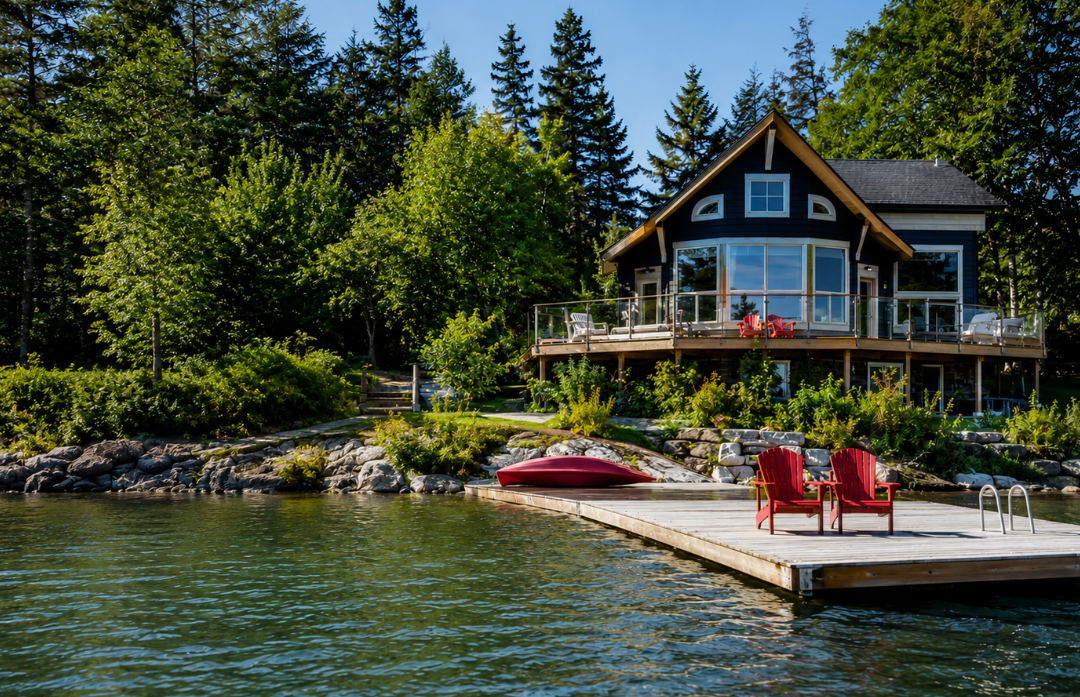
Owning a cottage is something many people dream about. Whether you picture quiet weekends by the water, family gatherings around a fire, or a place to unplug, buying a recreational property is different from buying your primary home. Before you fall in love with the view, make sure you understand what comes with owning it.
Decide How You’ll Use It
Start by thinking about how often you’ll actually use the property. Will it be a summer getaway? A four-season retreat? A future retirement home? Or are you hoping to rent it out when you’re not there? Your answer will affect the type of property you should buy, where it’s located, and how much you’re comfortable spending.
Think Beyond the Purchase Price
The purchase price is only part of the cost.
Cottages often come with additional expenses that don’t apply to a typical home, including:
- Road maintenance or association fees
- Dock maintenance
- Septic pumping and inspections
- Well maintenance or water testing
- Higher insurance costs
- Heating costs during colder months
- Property maintenance if you don’t live nearby
It’s worth building these costs into your budget before making an offer.
Water and Septic Systems Matter
Many cottages rely on private wells and septic systems instead of municipal services.
Ask questions about:
- The age of the septic system
- When it was last inspected or pumped
- Water quality and recent testing
- The well’s age and production
- Any history of water shortages
Replacing either system can be expensive, so it’s important to know what you’re buying.
Find Out If It’s Accessible Year-Round
Not every cottage is easy to reach in every season. Some roads are maintained year-round, while others are private or only accessible during warmer months. If you plan to visit in winter, confirm that snow clearing is available and who is responsible for it. If access is by boat, you’ll also need to consider seasonal limitations and storage for your watercraft.
Check Waterfront Details
If you’re buying a waterfront property, don’t assume everything you see belongs to the property. Ask your REALTOR® about property boundaries, water frontage ownership, easements or shared access, dock permits, shoreline protection rules and flood risk. Knowing exactly what you’re purchasing can help avoid surprises later.
Look Into Local Regulations
If you plan to renovate, build a garage, add a dock, or operate the cottage as a short-term rental, check local regulations before buying. Municipal rules and provincial requirements can affect what you’re allowed to do with the property.
Don’t Skip the Home Inspection
Even if the cottage looks well cared for, a home inspection is still one of the smartest investments you can make. Older recreational properties can have hidden issues such as foundation movement, roof damage, moisture problems, insect damage, or outdated electrical systems. The property may also potentially have aging plumbing or heating system concerns. An inspection helps you understand the property’s condition before you commit.
Consider Internet and Cell Service
Don’t assume you’ll have the same internet and cell service you have at home. Coverage can vary quite a bit from one area to the next, so it’s worth checking what’s available before you commit to the property.
Insurance Can Be Different
Insurance for seasonal or waterfront properties isn’t always the same as standard homeowner’s insurance.
Coverage may vary depending on:
- Whether the cottage is occupied year-round
- Its distance from emergency services
- Wood stoves or fireplaces
- Flood or water damage exposure
- Rental use
Getting an insurance quote before removing conditions can help you avoid unexpected costs.
Think About Resale
Even if you plan to keep the cottage for years, it’s smart to think about future buyers.
Features that often appeal to a wider range of purchasers include:
- Year-round road access
- Good waterfront
- Reliable water and septic systems
- Updated mechanical systems
- Plenty of parking
- Reasonable distance from nearby communities and amenities
A property that’s easy to maintain and accessible throughout the year may also hold its value better over time.
Work With a REALTOR® Who Knows Recreational Properties
Buying a cottage involves questions that don’t always come up with a traditional home purchase. An experienced REALTOR® can help you understand local regulations, review property history, explain waterfront considerations, and guide you through inspections and conditions before you make a final decision.
A cottage can become the place where some of your best memories are made. Taking the time to ask the right questions before you buy can help you find a property you’ll enjoy for years to come.
