

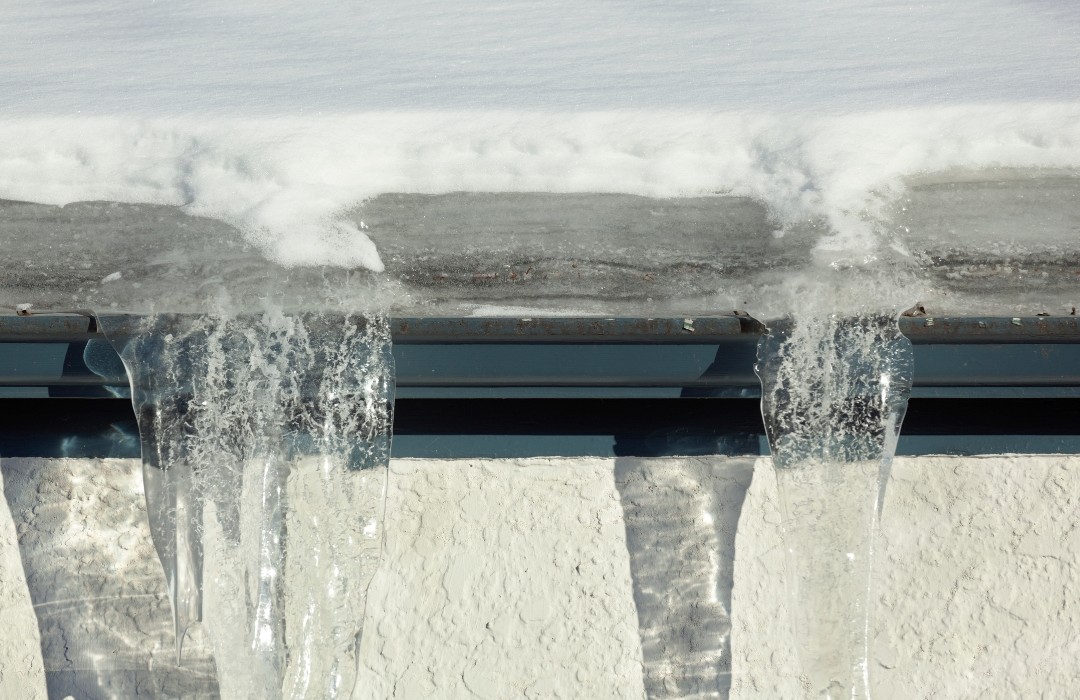
Snow damage home can hit fast. A big storm loads weight on your roof, ice pushes under shingles, eaves troughs can bend, windows draft. You see damage and you need a plan that actually works.
First things first — check for real damage. Walk outside and look up. Sagging roof edges. Cracked or missing shingles. Buckled eaves troughs. Large ice build-ups. Cracks in siding. These are signs you have a snow problem, not just a cold season.
Get photos and notes right away. Take close images of every issue. Date them. These go to your insurance.
Call your home insurance quickly. Most policies cover snow and ice loads. Talk to your adjuster, describe what you saw before you disturbed anything. Your insurer might send an appraiser.
After that, reduce further risk. Don’t go up on a steep roof alone. Using a snow rake from the ground is safer. Pull snow off edges gently to lower weight. Don’t yank at ice dams with a chisel. That breaks shingles.
Inside, if you see water stains or wet insulation, deal with leaks right away. A bucket under a drip is a start. A tarp over a hole is temporary. Call a roofer fast.
For structural issues — sagging rafters, big roof dents — get a professional out. These aren’t DIY fixes. Ask for references and what materials they use, and get it in writing.
Ice dams form when heat escapes attic spaces and melts snow at the peak. Melt water refreezes at the eaves. You should consider improving attic ventilation and insulation during spring or summer months to help cut future snow damage issues.
Don’t forget your gutters and downspouts. Snow and ice can bend them out of place. Once clear of snow, check they drain properly. Blocked downspouts send water near your foundation.
If you’ve had water inside, lift wet carpet and padding if you can. Moist air makes mould in days. Dry fans and dehumidifiers help. Mould is costly.
Keep all receipts and reports. Roofer quotes. Ice removal bills. Storage if you put belongings in totes. This supports your claim.
Snow damage home is not a one-time fix. After the storm, think about what upgrades will be beneficial. For example, better attic insulation, heated gutter cables in problematic areas, or stronger roof decking if your current one is thin. These cost more up front but cut repair bills later.
You might read tips that say warm attic spaces are fine. That’s half true. Too much heat makes snow melt, then refreeze. Balanced insulation and airflow is smarter.
Finally, if you see cracks in foundation walls after heavy snow, don’t ignore it. Frost pressure is real. A foundation contractor can check movement and fix drainage issues.