

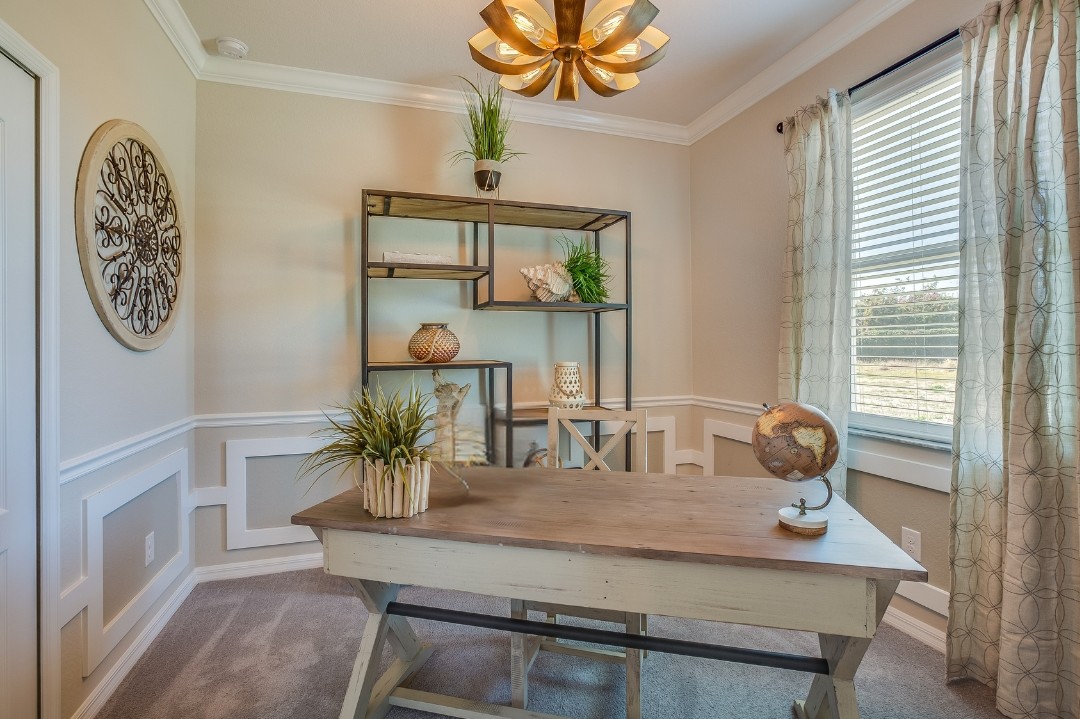
Good home staging is not about decorating. It’s about removing distractions so buyers focus on the house, not what’s in it. When rooms feel crowded, overly themed, or poorly maintained, buyers start looking for problems instead of value. The fixes are usually simple and affordable if you know what to watch for.
Here’s how to keep your home looking clean, current, and easy for buyers to picture as their own.
Start with less, not more
Most sellers add items when they should remove them.
Too many pillows, wall pieces, baskets, and small décor make rooms feel smaller and messy. Buyers read this as lack of storage and poor upkeep. Industry staging advice often stresses decluttering first because crowded rooms reduce appeal and hide the home’s size.
Pack away extra furniture, collections and souvenirs, large artificial flowers, busy patterned rugs or excess throw blankets. Leave open space on floors, shelves, and counters. Empty space makes rooms feel larger and cleaner.
Choose calm colors
Bold paint, loud wallpaper, and strong color themes limit buyer interest. Neutral tones help buyers picture their own furniture inside the space.
You do not need to repaint every room. Focus on bright red or dark feature walls, strong themed kids’ rooms, or rooms with multi-color accent walls or outdated sponge or textured paint. Simple off-white, soft grey, or warm beige usually works.
Fix the small worn items buyers notice first
Buyers inspect homes with their eyes first. Dirt, scuffs, and loose hardware signal poor maintenance even when the structure is fine. Cleaning and minor repairs strongly affect first impressions.
Before listing, it’s a good idea to scrub grout and baseboards, tighten door handles, replace burnt bulbs, patch wall dents, clean vents & fans and remove odors. These jobs cost little but change how the whole home feels.
Let lighting do the work
Dark homes feel older and smaller.
Open blinds. Turn on all lights for showings. Replace dated fixtures if they drag the room down. Lighting and mirrors help rooms feel brighter and more open, which buyers respond to quickly.
Use warm white bulbs across the house so the lighting matches.
Give every room a clear job
A spare room full of storage boxes confuses buyers. They assume the home lacks space.
Show a purpose instead:
- Small desk and chair → home office
- Bed and lamp → guest room
- Chair and bookshelf → reading area
Stagers often stress that buyers must instantly understand how each space works.
Remove personal and taste-specific items
Family photo walls, political art, religious décor, and novelty signs make buyers feel like guests in someone else’s house.
Experts warn that highly personal décor stops buyers from picturing themselves living there.
Pack these early – photo galleries, name signs, hobby displays, and strong statement artwork. Your home should feel lived-in but neutral.
Don’t forget the outside
Buyers judge the home before they open the door. Exterior mess or peeling paint lowers expectations immediately.
Before photos or showings make sure to remove yard clutter, sweep walkways, trim shrubs, wash the siding if dirty and add one simple planter near the door. Keep it simple. Clean beats fancy every time.
Good home staging is mostly about subtraction. Remove clutter. Fix wear. Use calm colours. Show clean, bright spaces with a clear purpose. You don’t need expensive furniture or design trends. Buyers want a home that feels maintained, spacious, and easy to move into.