

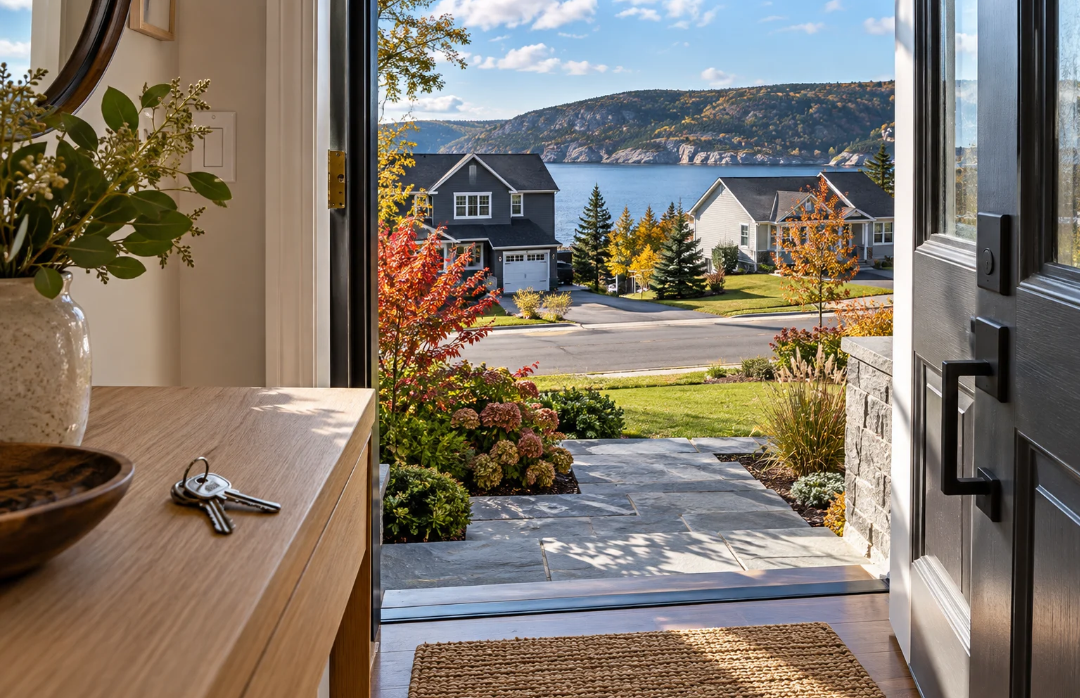
You might be willing to live without a driveway. The next buyer might not.
That doesn’t make the house a bad purchase. It does make parking something to weigh before you commit—along with the price, location and compromises you’re prepared to accept.
When you’re buying a home for yourself, future resale can feel far away. But a job change, growing family or different financial situation could bring your next move sooner than expected. A few questions now can help you make a more informed choice.
Separate what you can change from what you’ll have to live with
Paint, light fixtures and cabinet hardware are different decisions from a steep lot, limited outdoor space or a location on a busy road.
During a viewing, look beyond the decorating. Ask yourself:
- Does the layout work with everyday furniture?
- Is there practical storage?
- How convenient are the entrances, stairs and bathrooms?
- What parking is available?
- Which concerns would require major work to address?
A small bedroom might work perfectly as your office. Before accepting that compromise, consider how it would function for someone who needs it as a bedroom.
You don’t need a house that suits everyone. You do need to understand what you’re buying.
Take a second look at the surroundings
Visit the area at different times, if possible. Pay attention to traffic, noise, access and the properties around it.
If your interest depends on a particular feature—such as an open view or vacant land next door—ask the municipality about applicable zoning and any available development information. Don’t base your purchase on an assumption that the surroundings will stay the same.
Ask your real estate agent to explain how comparable homes have sold locally. Which differences matter in that price range? How does this property compare in condition, layout and location?
Local evidence is more useful than a blanket claim that every buyer wants a garage, a large yard or an open kitchen.
Check the condition behind the finishes
An updated kitchen can catch your attention while questions about the roof or heating system go unanswered.
Ask about the age and condition of major components, previous repairs and available renovation records. Consider a professional home inspection, and investigate any concerns before committing to work you haven’t priced. Canadian consumer guidance recommends checking home systems and whether renovations received the proper permits.
If the purchase only works financially because you expect to renovate cheaply, get qualified estimates first.
Once you own the home, keep records of repairs and improvements. Renovation contracts, inspection reports and transferable warranties are among the documents the Financial Consumer Agency of Canada recommends gathering when selling.
Think through the cost of another move
A higher selling price doesn’t automatically mean you’ve made a profit.
Buying, maintaining and selling a home all involve costs. Selling expenses can include legal fees, real estate fees, moving costs and mortgage discharge fees. Depending on your mortgage agreement, paying it out before the term ends may also trigger a prepayment penalty.
Ask your lender about any mortgage fees or penalties that could apply if you sell sooner than expected. When setting your budget, don’t count on a future sale covering what you spend to buy and improve the home.
The same thinking applies to improvements. If you want expensive custom features for your own enjoyment, decide what that enjoyment is worth to you. Don’t make the budget depend on a future buyer paying back the full cost.
Before making an offer, try one final question: “If I were selling this home, what would I need to explain to a buyer?”
The answer can help you spot a compromise worth investigating, pricing carefully or walking away from—while the choice is still yours.

This article provides general information only. Resale values and buyer preferences vary by property and market conditions. Consult a qualified real estate professional, lender or other appropriate advisor for advice specific to your situation.